
The Ultimate Guide to AI Marketing Tools in 2026: Boost Your Business with AI-Powered Marketing

Artificial intelligence is no longer the future of marketing—it’s the present. Businesses that adopt AI marketing tools see faster growth, smarter campaigns, and higher engagement. From automating workflows to creating optimized blog content, AI is transforming how marketers reach audiences.
In this guide, you’ll discover the best AI marketing tools, learn how to integrate AI marketing software into your stack, and explore strategies for maximizing your ROI with marketing automation platforms.
What is AI Marketing?
AI marketing refers to using artificial intelligence to improve marketing efforts. Instead of relying solely on human intuition, AI leverages machine learning marketing to analyze data, predict trends, and automate repetitive tasks.
With AI-powered tools, marketers can:
- Automate content creation and social media posting.
- Generate SEO blog posts optimized for search engines.
- Personalize campaigns based on customer behavior.
- Track and analyze AI visibility tracking metrics.
AI isn’t replacing humans; it’s enhancing creativity, efficiency, and insight.
Key Uses of AI in Marketing
Businesses across industries are leveraging AI-powered marketing in several areas:
Content Creation & Optimization
AI tools help produce high-quality content quickly. Marketers can use AI content generation to draft blogs, write email sequences, or create social posts. Tools like AI copywriting tools and AI writing assistants ensure content is relevant, keyword-optimized, and engaging.
Benefits include:
- Faster content production for blogs, social media, and newsletters.
- Automated SEO optimization tools to improve search rankings.
- Content optimization platform features for readability, tone, and engagement.
Advertising & Campaign Management
AI streamlines high-performing ads creation and optimization. Tools like AdCreative.ai and Albert.ai analyze engagement metrics and automatically generate conversion-focused ads.
Advantages:
- Quickly test multiple ad variants.
- Predict audience behavior using AI-driven automation.
- Maximize ROI on paid campaigns through performance marketing tools.
Customer Interaction & Personalization
Marketing automation AI allows businesses to personalize at scale. From chatbots to automated email sequences, AI can improve user experience and engagement:
- Chatbots like Chatfuel or Userbot.ai manage conversations and capture leads.
- CRM automation helps identify high-intent leads.
- Personalized recommendations increase conversion rates.
Analytics & Insights

AI tools analyze massive datasets in real-time, giving marketers actionable insights. Audience insights and customer research insights enable smarter decision-making:
- Track brand mentions with AI brand monitoring.
- Evaluate sentiment and feedback using voice of customer analysis.
- Optimize campaigns based on predictive analytics.
Visual & Multimedia Creation
AI is changing content creation beyond text:
- Video creation without filming through tools like Synthesia.
- Visual content generation with Canva AI or AI design software.
- Avatar-based videos and explainer video tools save time on production.
Sales & Lead Generation
AI automates outreach and lead scoring, making automated marketing workflows faster and smarter. Tools like Reply.io’s AI Sales Assistant and HubSpot AI help marketers nurture leads with minimal human effort.
How to Choose the Right AI Marketing Tools
With so many options, selecting the right AI marketing software can feel overwhelming. Consider these factors:
- Purpose: Identify if the tool focuses on AI content writing, social media scheduling, or paid ad optimization.
- Ease of Use: Will your team adopt the tool quickly? Look for intuitive interfaces.
- Integration: Can it connect with your CRM, CMS, or email platform?
- Scalability: Does it grow with your marketing needs?
- ROI: Compare pricing versus potential time saved and performance gains.
Top AI Marketing Tools for 2026 by Category
Here’s a detailed breakdown of the best AI marketing tools in 2026. Each includes a description, ideal use case, and pros and cons.
AI for Content Creation & Copywriting
| Tool | Best Use Case | Key Features | Pros | Cons |
| ChatGPT | Draft blogs, emails, social posts | AI text generation, research assistance | Fast, versatile, conversational tone | Requires human editing for accuracy |
| Jasper AI | Copywriting for ads and blogs | Generative AI writing, AI-powered copywriting | Scales content production | Subscription cost may be high |
| Notion AI | Productivity & note-taking | Organize content, draft ideas | Great for teams | Limited advanced copywriting features |
| Writer | Team-focused content | Content collaboration, AI workflows | Maintains brand voice | Steeper learning curve |
| Originality AI | AI content detection | Plagiarism checker AI, content authenticity tools | Ensures SEO articles are original | Only detects, doesn’t edit |
Tip: Pair a generative AI writing tool with AI content detection to maintain quality and originality.
AI for SEO & Website Optimization
| Tool | Best Use Case | Features | Pros | Cons |
| Surfer SEO | SEO blog posts | Content optimization tool, keyword optimization tools | Improves rankings, easy to use | Monthly subscription |
| Brandwell | Automated blog generation | AI content generation, optimized blog content | Fast production of keyword-focused blogs | Limited multimedia integration |
| ContentShake AI | SEO content creation | Automated content creation, on-page SEO tools | Streamlines content marketing workflow | Less creative flexibility |
| Algolia | Search & recommendation APIs | AI search presence, ranking optimization tools | Improves website search and UX | Requires developer setup |
Insight: Combining content optimization platform features with SEO analysis software accelerates organic traffic content growth.
AI for Visuals & Multimedia
- Canva AI: Design graphics, social media visuals, marketing visuals quickly.
- Lexica Art: AI-generated creative assets, including blog thumbnails.
- PhotoRoom: Remove backgrounds and enhance images for marketing campaigns.
- Crayo: Short-form video creation for Instagram and LinkedIn.
- Synthesia: Generate avatar-based videos and explainer video tools without filming.
These tools save hours of creative work and ensure your brand visuals stay consistent.
AI for Marketing Automation & Productivity
- Gumloop: Automate repetitive workflows and streamline AI workflows.
- Zapier: Connect apps and create no-code automation.
- FullStory: Analyze digital experiences for better conversion rates.
- HubSpot AI: Identify high-intent leads, automate campaigns, track AI-powered marketing platform metrics.
Case Study: A SaaS company using HubSpot AI and Gumloop increased lead conversion by 28% while reducing manual campaign tasks by 50%.
AI for Advertising & Social Media
| Tool | Best Use | Key Features |
| AdCreative.ai | Paid ads | Generate multiple ad variants, optimize for conversions |
| Flick | Social media scheduling | Social media calendar, content repurposing |
| Albert.ai | Digital advertising | Programmatic ad management, AI-driven automation |
| Headlime | Landing page optimization | AI-powered copywriting and design suggestions |
These tools ensure campaigns are data-driven and optimized for performance.
AI for Customer Interaction
- Chatfuel: Build chatbots to engage customers and drive conversions.
- Userbot.ai: Manage multiple conversations across platforms.
- Reply.io’s AI Sales Assistant: Automates email outreach and follow-ups, improving response rates.
By leveraging AI-powered marketing platform capabilities, businesses can maintain engagement at scale.
AI for Monitoring & Analysis
- Brand24: Track brand mentions, measure share of voice, analyze sentiment.
- Browse AI: Scrape web data for competitor analysis and market insights.
Pro Tip: Combine these tools with LLM visibility and AI search presence metrics for comprehensive digital marketing AI analysis.
How AI Marketing Tools Transform Businesses
Companies that integrate AI marketing automation and AI-powered marketing tools see measurable benefits:
- Small businesses: Use AI workflows to produce content faster and schedule posts automatically.
- E-commerce brands: Optimize product recommendations with AI, increasing conversion rates by 20–30%.
- Agencies: Scale campaigns without hiring extra staff by relying on automated content creation and AI marketing software.
Example: A fashion e-commerce company using Canva AI, Flick, and Jasper AI increased social engagement by 45% while cutting content production time in half.
Future Trends in AI Marketing
The AI marketing landscape is evolving rapidly. Key trends for 2026 and beyond include:
- Generative AI marketing: Creating entire campaigns, from blogs to video ads.
- Predictive analytics and personalization: Hyper-targeting based on user behavior.
- Voice AI and conversational marketing: Chatbots and voice assistants become more sophisticated.
- AR/VR integration: Immersive experiences powered by AI.
Marketers who adopt AI marketing strategies now will lead their industries in efficiency and ROI.
Conclusion
AI marketing tools are no longer optional—they’re essential. From AI-powered copywriting to content optimization tools, these platforms streamline workflows, improve content quality, and increase engagement.
By building a smart AI marketing stack that combines workflow automation tools, AI content generation, and SEO optimization software, businesses can achieve measurable growth in 2026 and beyond.
Start small, integrate tools gradually, and leverage AI for smarter decision-making. With the right AI marketing software, your business can transform its content strategy, social media marketing, advertising campaigns, and overall digital marketing platform efficiency.
Top Devices to Supercharge Your AI Marketing Setup (Available on Amazon)
To get the most out of your AI marketing tools, having the right hardware is just as important as the software. Here are five Amazon picks that every serious digital marketer should consider:
1. Apple Mac Mini M4
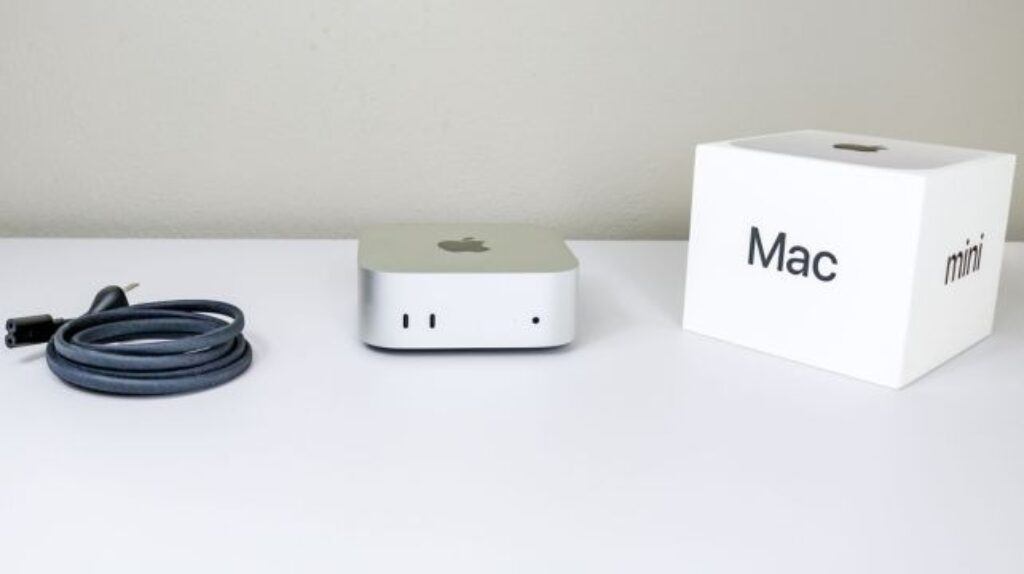
A powerhouse compact desktop built for running multiple AI marketing platforms simultaneously — from HubSpot AI to Jasper and Canva. Its blazing-fast chip handles heavy content creation, video rendering, and multi-tab workflows without breaking a sweat.
2. LG 32″ UltraWide Curved Monitor

Managing social media dashboards, SEO tools, ad campaigns, and analytics side by side requires serious screen space. This ultrawide monitor lets you run your entire AI marketing stack in one view — no constant tab switching needed.
3. Blue Yeti USB Microphone
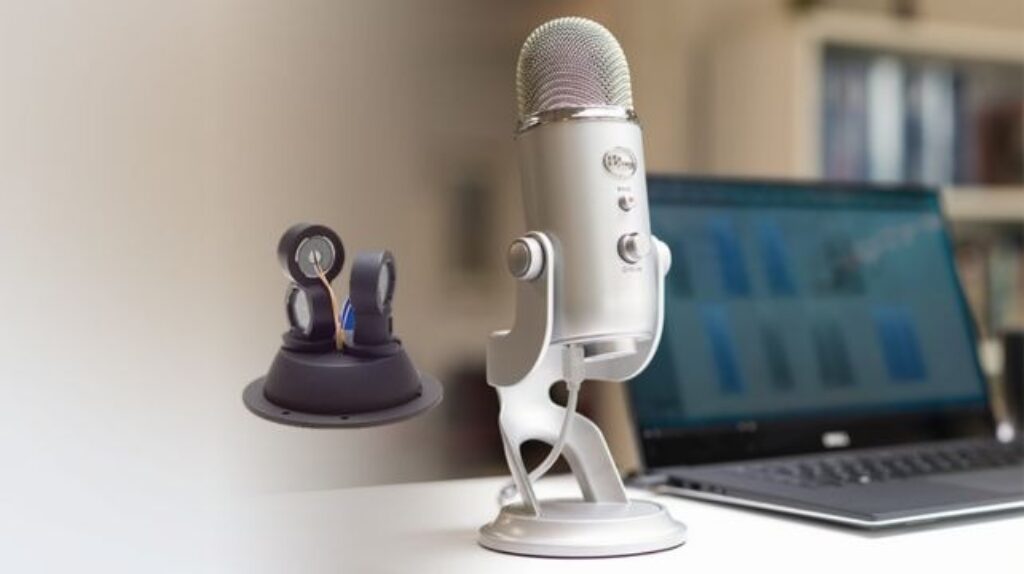
With voice AI and conversational marketing on the rise, audio quality matters more than ever. Whether you’re recording podcasts, creating video content, or hosting webinars, this professional-grade mic delivers crystal-clear sound straight out of the box.
4. Elgato Stream Deck MK.2
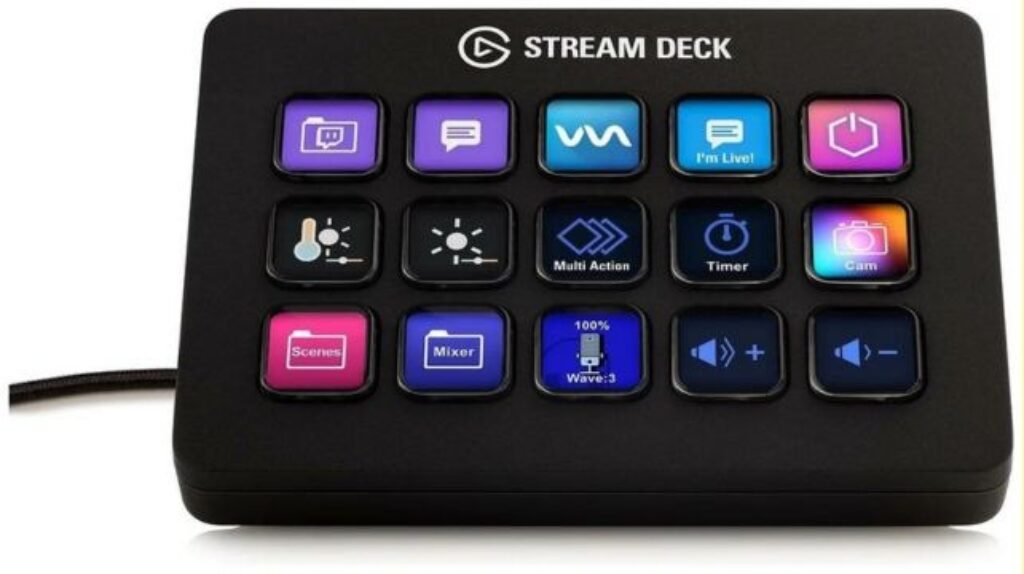
A game-changer for content creators and digital marketers. Program shortcut buttons to instantly launch your AI tools, switch between platforms, trigger automation workflows, and manage social media scheduling — all with one tap.
5. Wacom Intuos Creative Pen Tablet
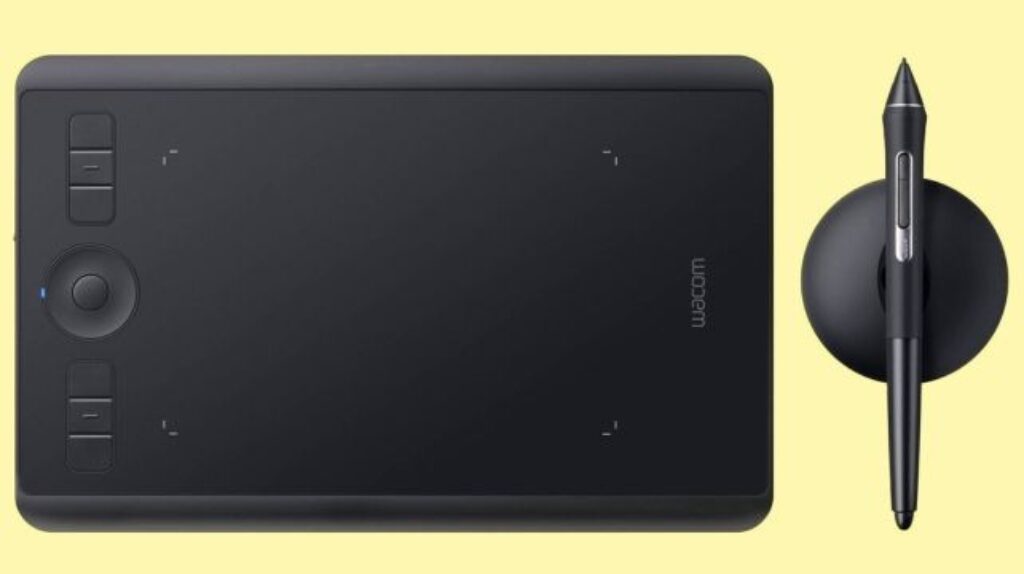
Perfect for marketers working with Canva AI, visual content generation, and ad creative design. This drawing tablet gives you precise control over design work, making visual content creation faster and more professional than using a mouse.