

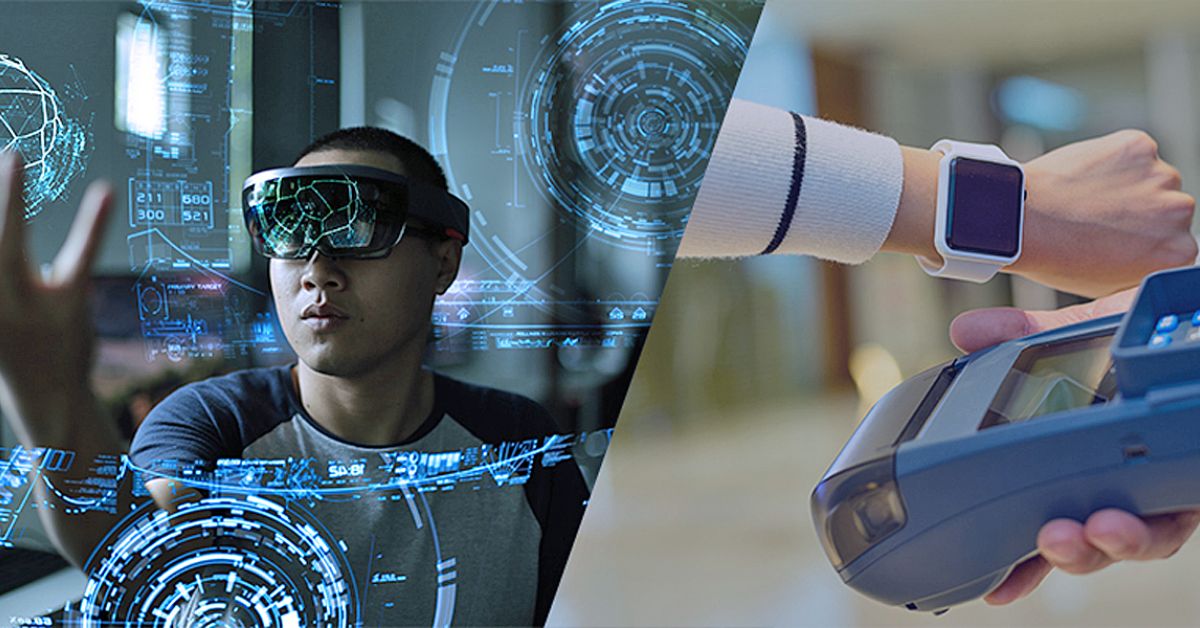
Smart devices are becoming integral to our daily lives. From smartphones and wearables to home automation systems and even office environments, connected gadgets are transforming the way we live and work. But as the technology evolves, what’s next? The future trends in smart devices are not just about improvements in performance or user experience but also groundbreaking innovations that will shape how we interact with technology for years to come. In this article, we will explore the future trends in smart devices, including AI-powered systems, connected homes, and the impact of Internet of Things (IoT) solutions, among other upcoming trends.
What Are Smart Devices? Understanding the Basics
Before diving into the future innovations of smart devices, it’s important to first understand what qualifies as a “smart” device. Smart devices are essentially electronic gadgets that connect to the internet or other devices to collect, send, and receive data, enabling automation, enhanced control, and improved efficiency. These devices are powered by AI technology, machine learning, and IoT solutions, which allow them to “learn” user preferences, adapt, and even predict future needs.
Examples of Smart Devices:
- Smart thermostats like Nest that adjust temperature based on your habits.
- Smart speakers like Amazon Echo that act as personal assistants and home hubs.
- Wearables such as Fitbit or Apple Watch that monitor health metrics in real time.
Future trends in smart devices highlight how these intelligent tools have grown in popularity due to their ability to streamline our lives and offer convenience at our fingertips. With the continual evolution of AI and connected technology, the scope of what is possible in the realm of smart devices is expanding rapidly.
Key Future Trends in Smart Devices to Look Out For
Future trends in smart devices hold exciting prospects, promising a new era of innovation. From advanced machine learning to augmented reality (AR), the developments ahead are nothing short of transformative. Let’s break down the key trends shaping the future of smart technology.
1. AI Integration: More Intelligent, Human-Like Devices

As artificial intelligence continues to evolve, smart devices are becoming more intelligent and adaptive. AI-powered devices will be able to understand users better than ever before, providing highly personalized experiences.
Key Changes:
- Personalized Assistance: Virtual assistants powered by AI, such as Alexa or Siri, will evolve into much more intuitive systems. They will adapt to our routines, predicting needs even before we express them.
- Automated Processes: AI will make smart devices more autonomous, performing tasks on their own, like adjusting home lighting or controlling appliances based on usage patterns.
Example:
Imagine a smart fridge that not only reminds you when you’re low on groceries but can also suggest recipes based on what’s inside. Over time, it could learn your dietary preferences and recommend meal plans.
2. Smarter Homes with Seamless Connectivity

Future trends in smart devices are driving the rise of smart homes, where home automation is evolving toward seamless, all-encompassing connectivity. Devices will no longer work in isolation; instead, they will interact intelligently, making the home environment more efficient, comfortable, and energy-conscious.
The Role of 5G and IoT:
The roll-out of 5G networks will accelerate the smart home revolution by providing faster, more reliable internet connectivity. This will enable devices to communicate in real-time, allowing for immediate actions, whether it’s adjusting your thermostat or locking your doors.
- Interoperability: The Internet of Things (IoT) will enable smarter homes, with devices from different manufacturers working together flawlessly.
- Voice Control and Automation: Voice-controlled systems will become more advanced, giving users greater control over their environment. Imagine saying, “I’m home,” and having your house automatically adjust the temperature, lighting, and entertainment system without lifting a finger.
Example:
ACE Integrated Technologies is a leader in ACE solutions that aim to create a connected home experience where everything works together. Their smart home technologies enable seamless automation, enhancing comfort and efficiency.
3. Health and Fitness: Smart Devices as Personal Healthcare Assistants

In the future, smart devices will become even more vital in managing health and wellness. Wearables like smartwatches are already tracking steps, heart rate, and sleep cycles, but what’s coming next goes far beyond simple fitness tracking.
Future Features:
- Real-time Health Monitoring: Devices will track health metrics in real-time, alerting users to potential health issues like heart irregularities or sleep apnea.
- AI-Driven Diagnostics: Smart devices will provide more detailed analysis, offering predictive insights and even suggesting potential treatments or actions.
Example:
Smart wearables could monitor vital signs and send data to your doctor in real-time, offering an early diagnosis before symptoms even appear. This proactive approach to healthcare can improve long-term outcomes and reduce the burden on hospitals.
4. Autonomous Smart Devices

In the near future, some smart devices will evolve to be more autonomous, requiring little to no human input. These devices will be able to make decisions on their own, based on data they collect and process.
Examples:
- Autonomous Vehicles: Self-driving cars will become more integrated with other smart devices. They will communicate with traffic systems, home automation systems, and even each other to create a more efficient driving experience.
- AI-Powered Robots: From delivery drones to robotic assistants, smart robots will assist with tasks in homes, businesses, and even warehouses.
Key Technologies:
- Voice & Gesture Recognition: Future smart devices will rely on advanced voice control and gesture recognition for seamless, hands-free interaction.
- Self-Learning Systems: Devices powered by machine learning will improve their performance over time by analyzing patterns and optimizing their actions.
5. Edge Computing: Speeding Up Smart Device Performance

Future Trends in Smart Devices highlight a shift toward edge computing, allowing data to be processed locally for faster responses and improved privacy. This enables smarter, quicker, and more secure device interactions.
Benefits:
- Reduced Latency: With edge computing, devices can perform tasks almost instantaneously, making them ideal for real-time applications like healthcare monitoring or smart city infrastructure.
- Data Privacy: Edge computing can also help improve data security by processing sensitive information locally rather than transmitting it to distant servers.
6. Privacy and Security in the Age of Smart Devices

Future Trends in Smart Devices indicate a growing reliance on connected technologies, making privacy and security more critical than ever. As smart devices become more integrated into daily life, manufacturers must prioritize data protection without compromising user convenience. Striking the right balance between functionality and privacy will be essential to building user trust in the next generation of connected innovations.
Upcoming Solutions:
- Decentralized Security: Blockchain technology may play a role in securing personal data, ensuring that transactions between devices are safe.
- Advanced Authentication: Biometric technologies like facial recognition and voice identification will become standard features in smart devices, making them more secure without sacrificing ease of use.
How Future Trends in Smart Devices Will Reshape Industries
Future trends in smart devices will not only transform our homes but also revolutionize how businesses operate. From retail to healthcare, industries are leveraging smart sensors, real-time data, and IoT solutions to boost efficiency, enhance decision-making, and deliver more personalized services.
Smart Devices in Business Environments

Example:
- Smart offices with AI-driven systems will adjust lighting, temperature, and even work schedules based on employee preferences.
- Automated customer service: AI chatbots will provide faster, more personalized customer service, improving both satisfaction and operational efficiency.
What Consumers Can Expect: Smart Devices in Your Daily Life
Looking ahead, smart technology will become increasingly ingrained in our everyday routines. Whether you’re looking to optimize your health or make your home more efficient, the possibilities are endless.
1. The Future of Smart Phones and Tablets

The next generation of smartphones and tablets will serve as more than just communication devices. They’ll act as hubs for home and office automation, seamlessly integrating with other connected devices.
New Features:
- Foldable Screens: The integration of foldable and flexible screens will open up new possibilities in mobile devices, making them more portable and versatile.
- Augmented Reality (AR): Expect a wave of AR technology in your everyday devices, enhancing everything from navigation to entertainment.
2. Smart Kitchens and Homes: Convenience at Your Fingertips

As future trends in smart devices continue to evolve, your kitchen could soon become fully automated with connected appliances. Smart ovens will recognize what you’re cooking and adjust settings accordingly, while refrigerators might remind you to restock ingredients or alert you when food is about to spoil.
Example:
- Voice-Controlled Smart Homes: Imagine walking into a room and saying, “Turn on the lights” or “Set the thermostat to 72 degrees,” and it’s done instantly, all thanks to smart living solutions.
The Challenges Facing the Smart Device Industry
While future trends in smart devices point to a bright and innovative path ahead, several challenges still need to be addressed. Key concerns include data privacy, device interoperability, and battery life—factors that will shape how effectively smart technology can evolve and be adopted.
Overcoming Technological Limitations:
- Battery life: As smart devices become more advanced, power consumption will increase, making longer battery life a key area for innovation.
- Interoperability: Standardization across different smart device brands will be essential to ensure smooth communication between devices.
Conclusion:
The future trends in smart devices are set to transform our lives in ways we can only begin to imagine. With the rise of AI, IoT, and edge computing, smart devices will become more intelligent, intuitive, and integrated into every aspect of our homes and workplaces. While challenges remain, the innovations on the horizon promise to create smarter, more efficient, and more connected worlds.
As smart devices continue to evolve, they’ll not only simplify our lives but also revolutionize industries, from healthcare to business and beyond. The future is here, and it’s smarter than ever before.
FAQ – Future Trends in Smart Devices
- What is the next big trend in smart devices?
- AI-driven personal assistants, autonomous devices, and the full integration of smart homes will be some of the biggest trends in the next few years.
- AI-driven personal assistants, autonomous devices, and the full integration of smart homes will be some of the biggest trends in the next few years.
- How will smart devices impact my daily life?
- Smart devices will automate routine tasks, improve your health through wearables, and create a more efficient and connected home environment.
- Smart devices will automate routine tasks, improve your health through wearables, and create a more efficient and connected home environment.
- Are smart devices becoming more affordable?
- As technology advances, the cost of smart gadgets will likely decrease, making them more accessible to a broader audience.
- As technology advances, the cost of smart gadgets will likely decrease, making them more accessible to a broader audience.
- Can smart devices help with energy savings?
- Yes, devices like smart thermostats and energy-efficient lighting can help reduce energy consumption and save on utility bills.
- Yes, devices like smart thermostats and energy-efficient lighting can help reduce energy consumption and save on utility bills.
- What privacy concerns should I be aware of with future smart devices?
- Data security will continue to be a concern, but advancements in blockchain and other security technologies will help safeguard personal information.